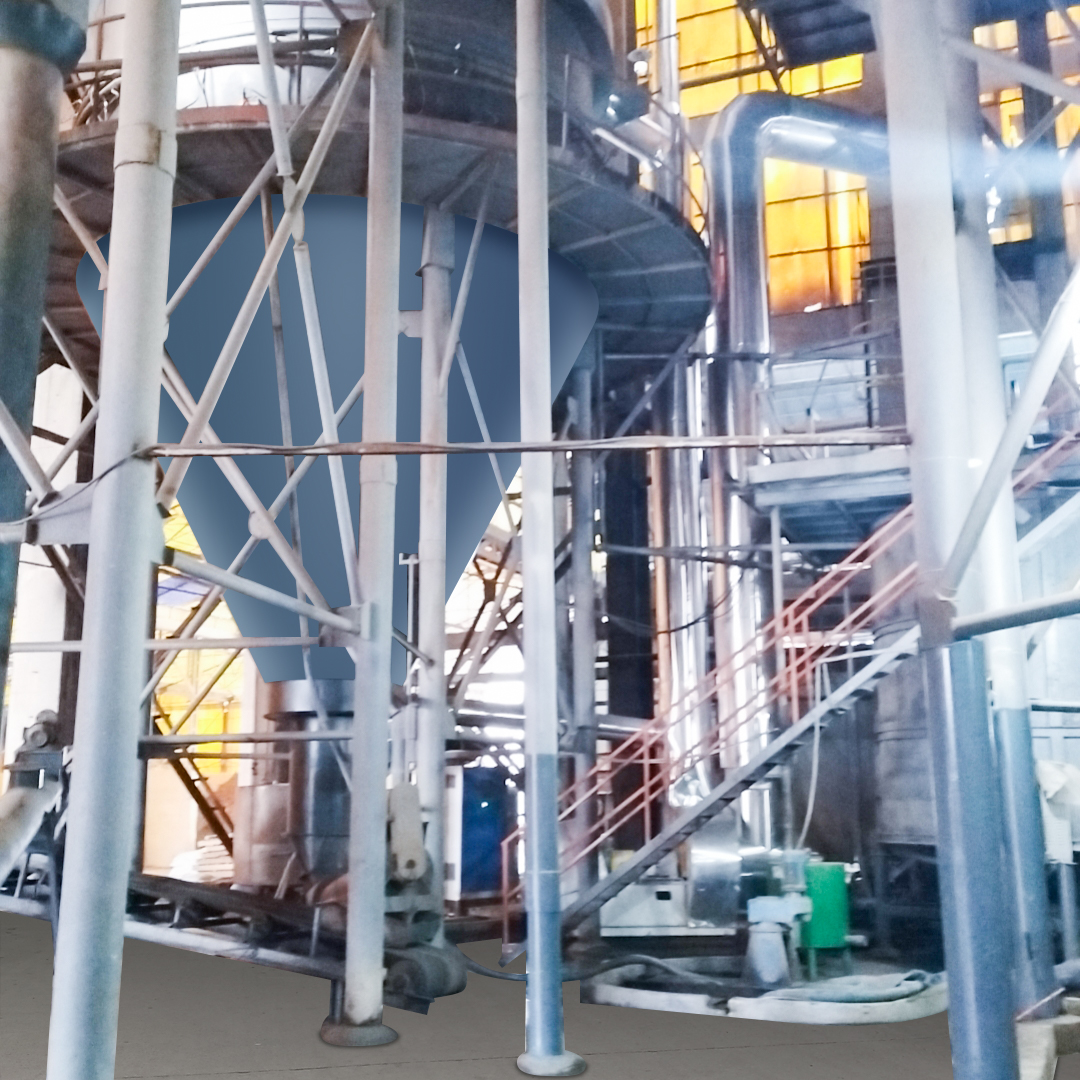

Spray drying tower waste heat utilization energy saving system

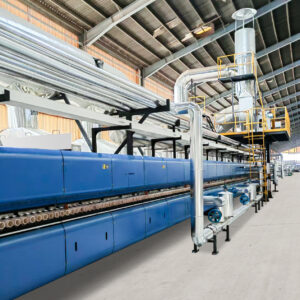
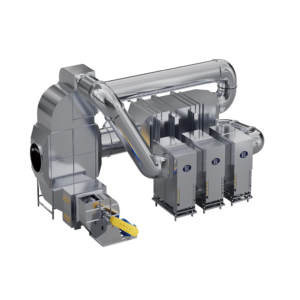
Currently, ceramic factories typically use ambient air (around 10-30 degrees Celsius) in their spray drying tower hot blast furnaces for both combustion air and distribution air. Our energy-saving measures utilize the waste heat (150-180°C) from the exhaust gas from the ceramic factory's drying kiln to supply the combustion air and top distribution air to the spray drying tower's hot blast furnace. This increases the air source temperature by over 100°C, thereby reducing the energy consumption of the hot blast furnace. Furthermore, since the oxygen content (12%-14%) of the waste heat from the dryer's exhaust is lower than the oxygen content in atmospheric air (21%), this significantly reduces the oxygen content of the exhaust gas from the spray drying tower to the desulfurization tower, lowering the desulfurization tower's waste gas treatment costs by approximately 50%.

Currently, ceramic factories typically use ambient air (around 10-30 degrees Celsius) in their spray drying tower hot blast furnaces for both combustion air and distribution air. Our energy-saving measures utilize the waste heat (150-180°C) from the exhaust gas from the ceramic factory's drying kiln to supply the combustion air and top distribution air to the spray drying tower's hot blast furnace. This increases the air source temperature by over 100°C, thereby reducing the energy consumption of the hot blast furnace. Furthermore, since the oxygen content (12%-14%) of the waste heat from the dryer's exhaust is lower than the oxygen content in atmospheric air (21%), this significantly reduces the oxygen content of the exhaust gas from the spray drying tower to the desulfurization tower, lowering the desulfurization tower's waste gas treatment costs by approximately 50%.

  • Supplier: Foshan Perpetual Technology Co.,ltd
  Questions & Answers

Product Details

Currently, ceramic factories generally use ambient air (around 10-30 degrees Celsius) in their spray drying tower hot blast furnaces for combustion and distribution. Our energy-saving measures utilize the waste heat (150-180°C) from the exhaust gas from the ceramic factory's drying kiln to supply the combustion air and top distribution air to the spray drying tower's hot blast furnace; this can increase the air source temperature by over 100°C, thereby reducing the energy consumption of the hot blast furnace. Furthermore, since the oxygen content (12%-14%) of the waste heat from the dryer's exhaust is lower than the oxygen content in atmospheric air (21%), this significantly reduces the oxygen content of the exhaust gas from the spray tower to the desulfurization tower, reducing the desulfurization tower's waste gas treatment costs by approximately 50%. </p><p><img class="alignnone size-full wp-image-2501" src="https://www.machineb2b.com/wp-content/uploads/2026/07/image-1.png" alt="" width="1455" height="1516" data-mce-src="https://www.machineb2b.com/wp-content/uploads/2026/07/Picture-1.png"></p>